
How the constant rush is stealing your ability to think clearly and choose wisely
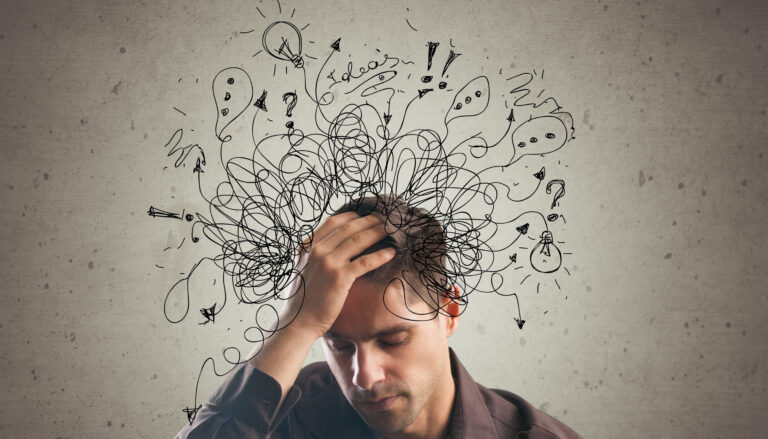
The notification pings. Your stomach tightens. Before you even check what it is, your body has already shifted into crisis mode. Heart rate up, breathing shallow, muscles tense. It could be anything—a work email, a text from a friend, a news alert—but your nervous system responds as if your life depends on immediate action.
This is urgency addiction, and it’s rewiring your brain in ways you probably don’t realize.
When Speed Becomes Identity
We live in a culture that worships speed. Fast responses, quick decisions, immediate results. Being busy signals importance. Being available signals dedication. Being the first to reply signals competence.
But somewhere in this rush toward efficiency, we’ve confused speed with effectiveness. We’ve started believing that faster is always better, that immediate action is always superior to thoughtful consideration, that urgent automatically means important.
The problem is that most things that feel urgent aren’t actually urgent. They’re just loud, immediate, or anxiety-provoking. But when everything gets the same treatment—the same rush of stress hormones, the same dropped-everything response—you lose the ability to distinguish between what truly needs immediate attention and what’s just demanding it.
The Physiology of False Urgency
Your nervous system doesn’t distinguish between a saber-toothed tiger and an overflowing inbox. When something triggers your urgency response, your body floods with the same chemicals that helped your ancestors survive actual life-or-death situations.
Cortisol sharpens your focus but narrows it. Adrenaline boosts your energy but makes you reactive. Your prefrontal cortex—the part responsible for planning, reflection, and wise decision-making—goes partially offline. You become optimized for immediate action but terrible at nuanced thinking.
This is perfect for genuine emergencies. It’s devastating for the complex, nuanced challenges that make up most of modern life.
When you’re constantly in urgency mode, you start making every decision from this chemically altered state. You respond to emails you should ignore, agree to commitments you should decline, and react to problems you should think through. The quality of your choices degrades, but the pace feels exciting, important, necessary.
The Hidden Cost of Always Rushing
Living in constant urgency doesn’t just affect your decision-making—it changes your relationship to time itself. When you’re always behind, always catching up, always responding to the next immediate demand, you lose access to strategic thinking.
You become reactive instead of creative. Responsive instead of intentional. Busy instead of productive.
The cruel irony is that urgency addiction actually makes you less efficient over time. You’re constantly switching contexts, always partially distracted, never fully present with any single task. The scattered attention that urgency creates means everything takes longer and gets done less well.
But perhaps more importantly, you lose the ability to distinguish between what matters and what’s just loud. Everything gets equal treatment because everything triggers the same urgency response.
The Attention Economy’s Perfect Drug
Technology companies understand urgency addiction better than most people understand it themselves. Every notification is designed to trigger your stress response. Every update promises that something important might be waiting. Every platform trains you to check compulsively by intermittently rewarding your attention with something genuinely useful.
But what’s useful for keeping you engaged isn’t necessarily useful for your life. The more urgency you feel, the more you check. The more you check, the more your brain reinforces the pattern. You become convinced that immediate response is necessary when it’s actually optional most of the time.
The first step to breaking this cycle is recognizing that feeling urgent doesn’t make something important. That knot in your stomach when you see an unread message isn’t wisdom—it’s conditioning.
Reclaiming the Right to Pause
The antidote to urgency addiction isn’t slowness for its own sake. It’s discernment. It’s the ability to feel the pull toward immediate action and choose whether to follow it.
This starts with something radical: giving yourself permission to not respond immediately. To sit with the discomfort of something being “unfinished.” To let the urgent feeling wash through you without acting on it automatically.
Most things that feel urgent become less urgent if you wait even ten minutes. The email that seemed to demand an immediate response often resolves itself or reveals its true priority level when you step back from the initial stress response.
Practice asking: What would happen if I waited an hour? What would happen if I waited until tomorrow? Often, the answer is: nothing catastrophic. The world doesn’t end. People don’t stop trusting you. Opportunities don’t evaporate.
The goal isn’t to become unresponsive. It’s to become intentionally responsive. To choose when to act quickly and when to act thoughtfully. To let genuine priorities rise to the surface while the merely loud and demanding fade into proper perspective.
Your attention is finite and precious. Urgency addiction tricks you into spending it on whatever shouts loudest rather than what matters most.